
guide
Within the same ZIP code, LTL/truck carriers can judge remote, residential, and limited-access fees differently. Here is why — and how to reduce surprise charges.

guide
West-to-East truck rates change daily. Here is how fuel, capacity, lanes, loading conditions, and accessorials move pricing — and how to judge a real low price.

guide
Should oversized, long, or non-palletizable freight go LTL, FTL, Flatbed, or Hotshot? This guide breaks down the choice, the quote details, and how to avoid rebills.
guide
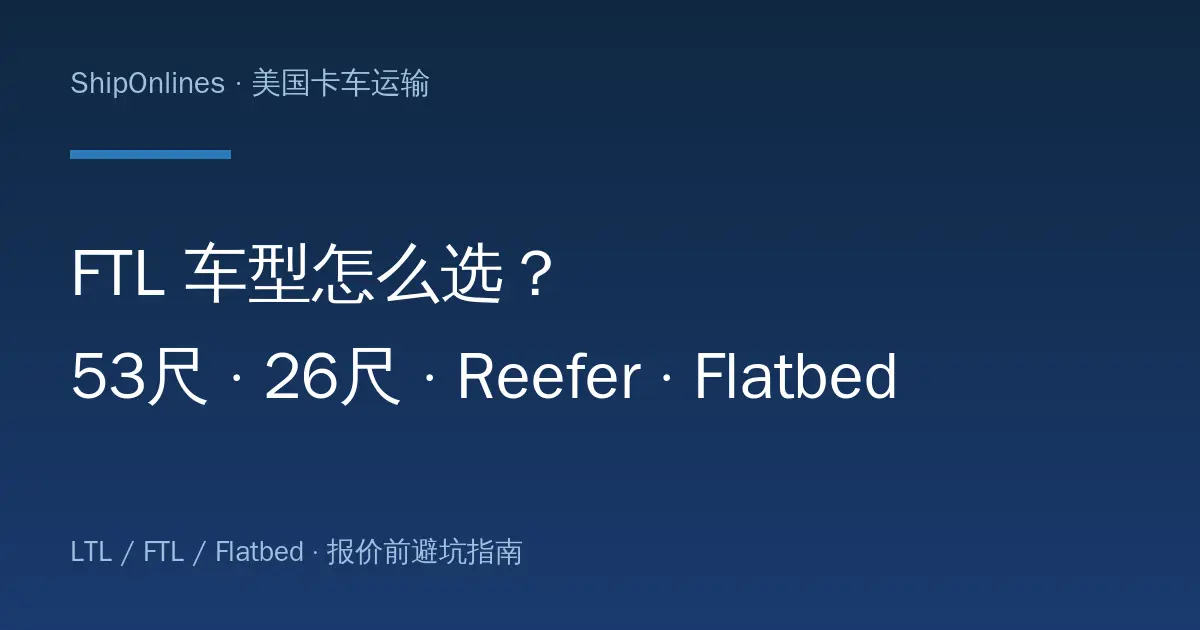
Before getting an FTL quote, confirm the truck type. This guide explains when to use a 53ft Dry Van, 26ft Box Truck, Reefer, or Flatbed, and what details to prepare.
guide
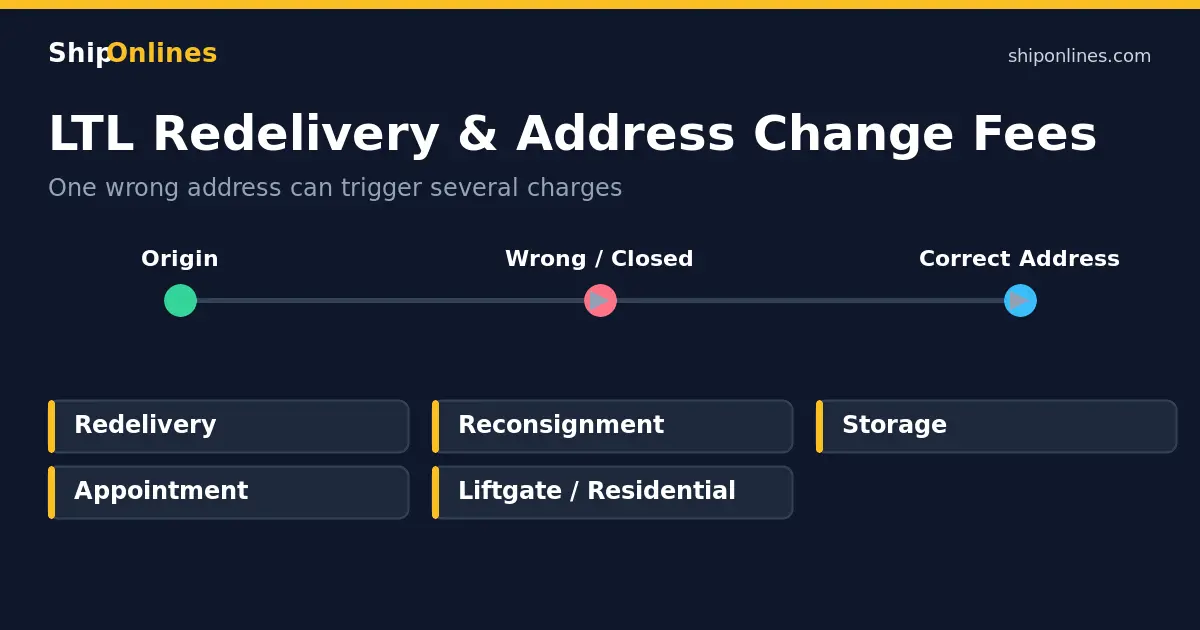
In LTL freight, the cheapest quote can become expensive if the delivery information is wrong. A missed delivery, closed consignee, wrong address, residential location, or appointme
guide
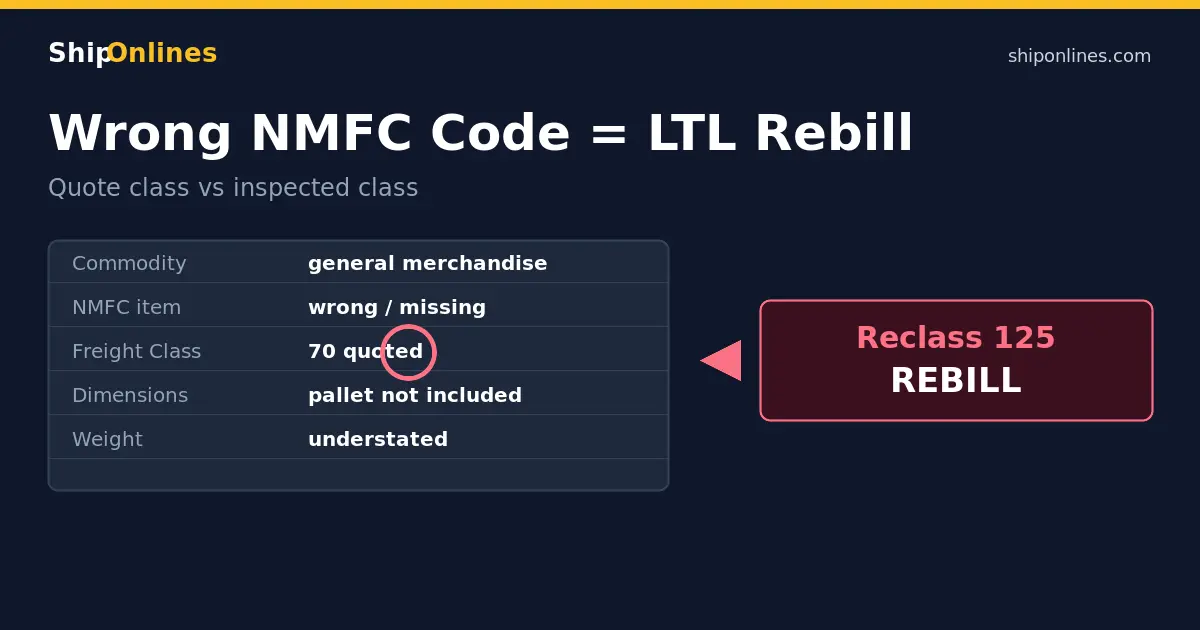
In LTL freight, the quoted rate depends heavily on freight class and NMFC information. If the NMFC code, class, density, weight, dimensions, or commodity description is wrong, the
guide
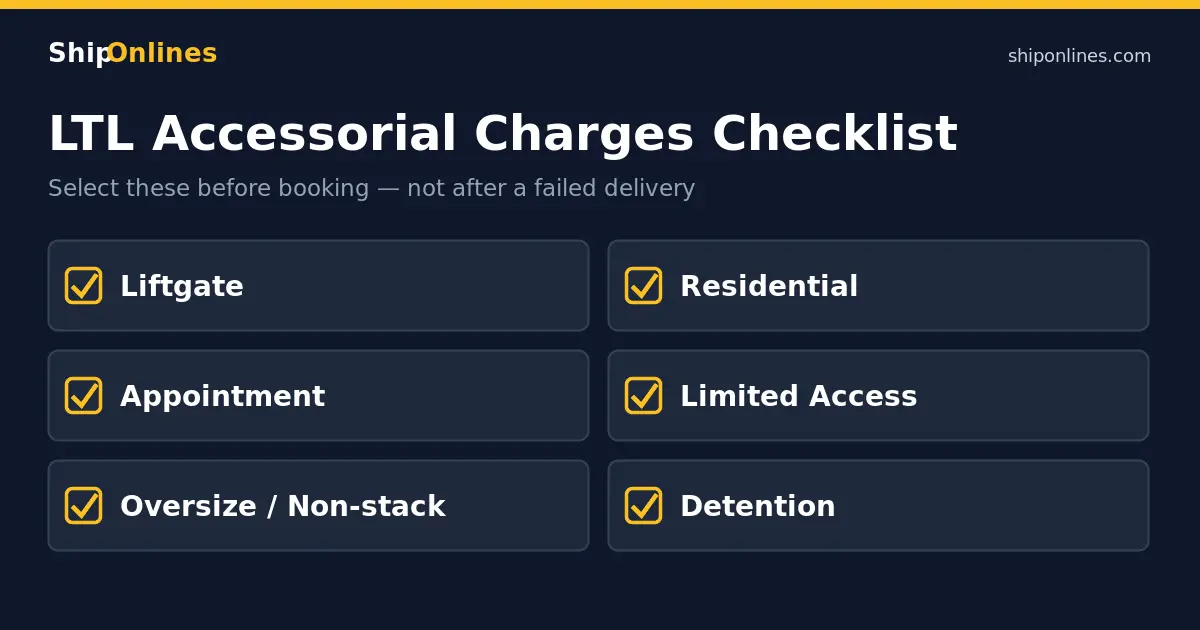
An LTL quote is not only about the linehaul rate. Extra services and delivery conditions can create accessorial charges. If these services are not selected before booking, the invo
guide
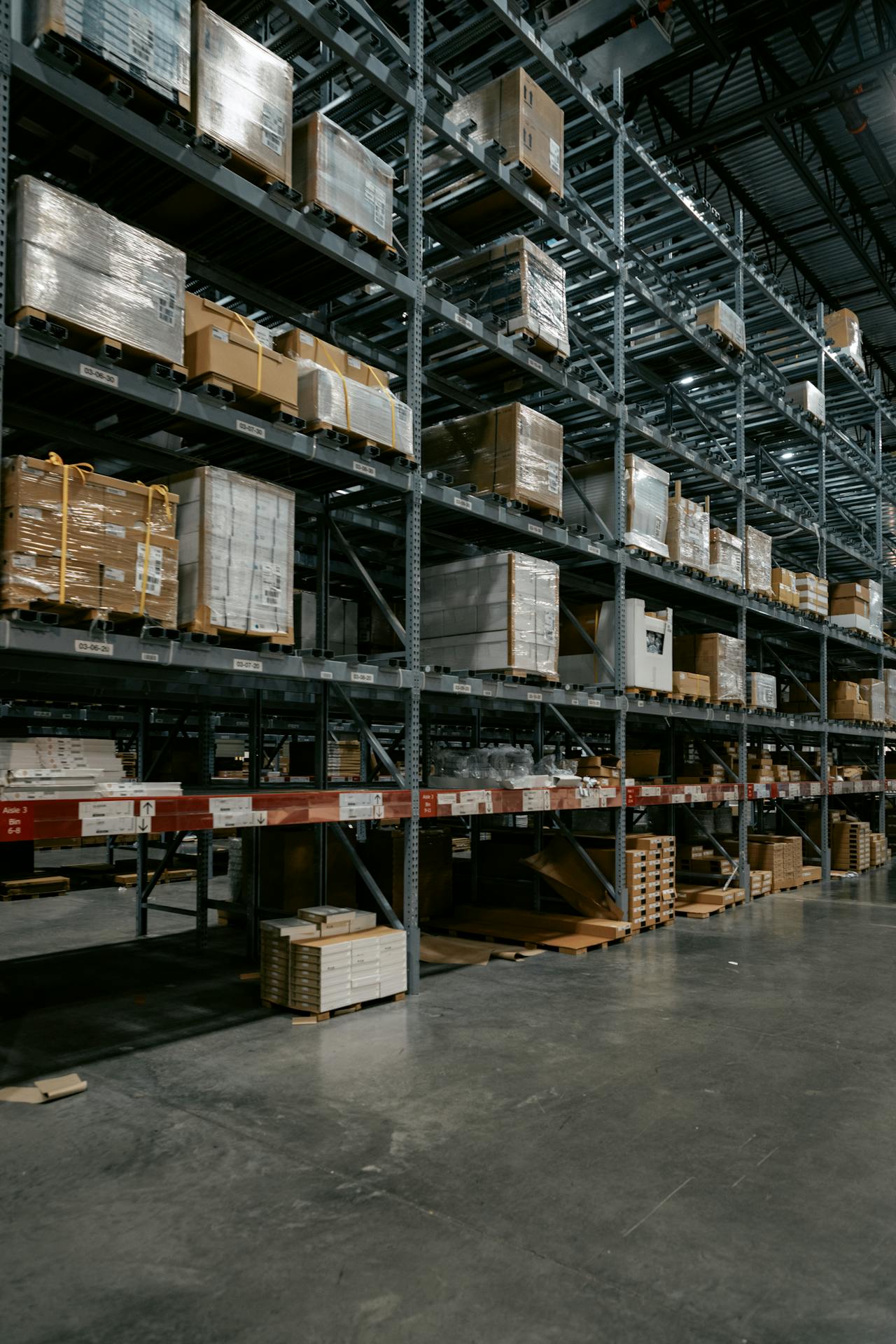
Once pallet count climbs, standard LTL is not always the cheapest — and carriers may not even give a standard rate. How to choose between LTL, Volume LTL, PTL and FTL.
guide
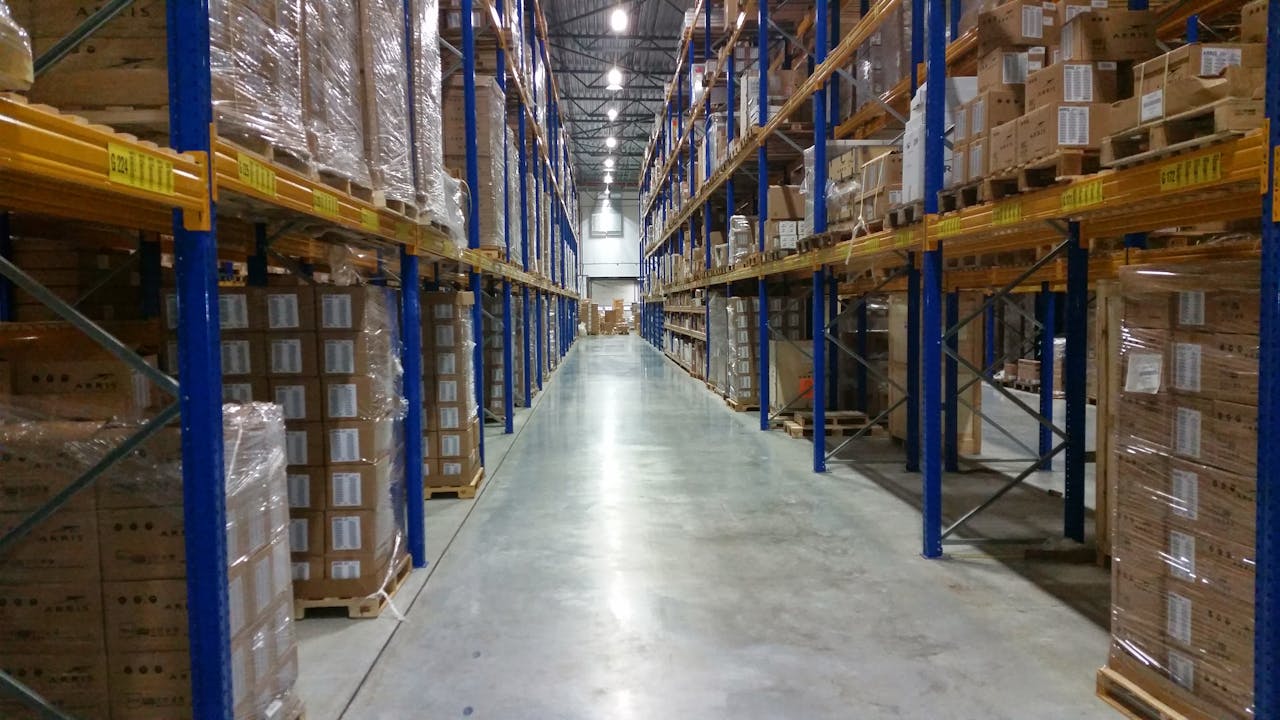
LTL rebills are not random overcharging — they come from info that did not match reality. Here are the 6 common causes and a pre-quote checklist to avoid them.
guide
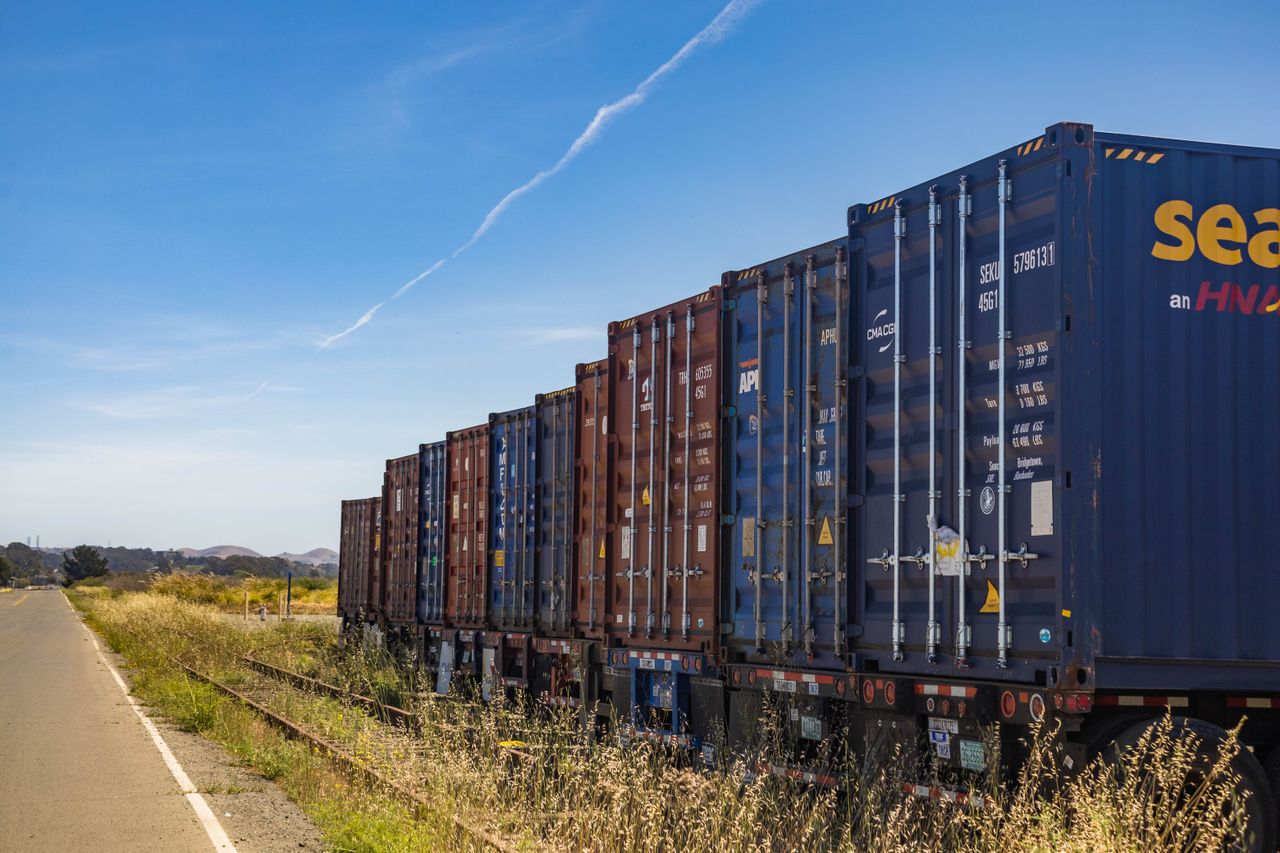
For long, heavy, non-urgent freight, straight truck is not the only option. How to choose between FTL, Partial (PTL) and intermodal rail (IMDL).
guide
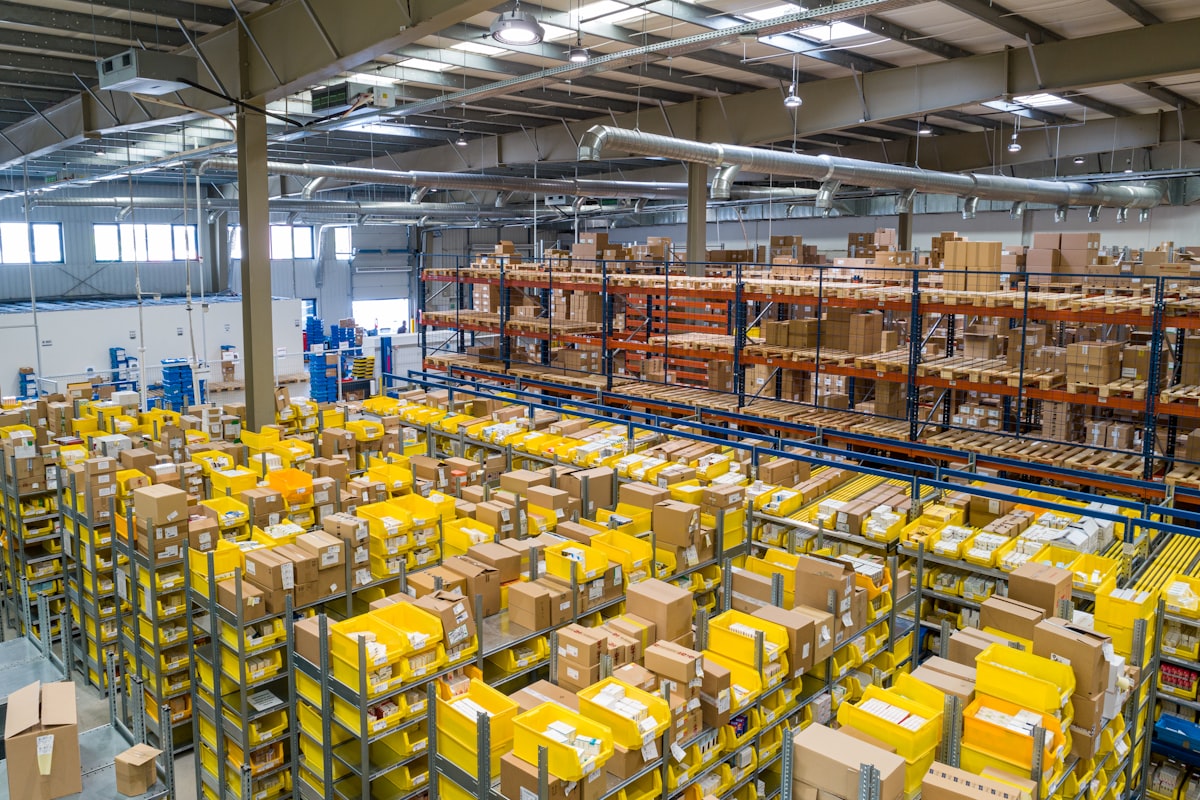
Building materials and metal NMFC class guide for LTL: steel plate, aluminum, copper, cement, lumber, fasteners. Why dense metals are the cheapest LTL category.
guide
Food and beverage NMFC class guide for LTL: canned goods, coffee, jerky boxes, cheese, beverages. Why food is one of the cheapest LTL categories — and the temperature/FDA traps to avoid.